Why Your AC Keeps Breaking Down (And What's Really Causing It)
The most common AC repairs and what causes them include failed capacitors, dirty air filters, refrigerant leaks, clogged condensate drain lines, frozen evaporator coils, thermostat problems, and electrical failures. Here's a quick overview:
| AC Repair | Most Common Cause |
|---|
| Bad capacitor | Electrical surges, age, heat stress |
| Dirty/clogged air filter | Infrequent filter changes |
| Frozen evaporator coil | Restricted airflow or low refrigerant |
| Refrigerant leak | Corrosion, vibration, worn fittings |
| Clogged condensate drain | Algae, mold, and debris buildup |
| Thermostat malfunction | Dead batteries, incorrect settings, sun exposure |
| Electrical failure | Corroded wiring, worn contactors, short cycling |
When the Central Valley heat hits its peak, your air conditioner works harder than almost any appliance in your home. And that's exactly when problems show up. One minute everything's fine — the next, you're standing in a sweltering house wondering what went wrong.
The truth is, most AC breakdowns don't happen out of nowhere. They build up quietly over time from worn parts, skipped maintenance, and small issues that get ignored. In fact, research shows that nine out of ten central air units that aren't cooling properly trace back to a single, very fixable problem — a dirty air filter. And bad capacitors alone account for more than one in five AC service calls.
Whether your system is blowing warm air, making strange noises, or just refusing to start, understanding what's going wrong — and why — puts you in control. This guide walks you through the most frequent AC failures, what triggers them, and what you can do about it.

The Most Common AC Repairs and What Causes Them
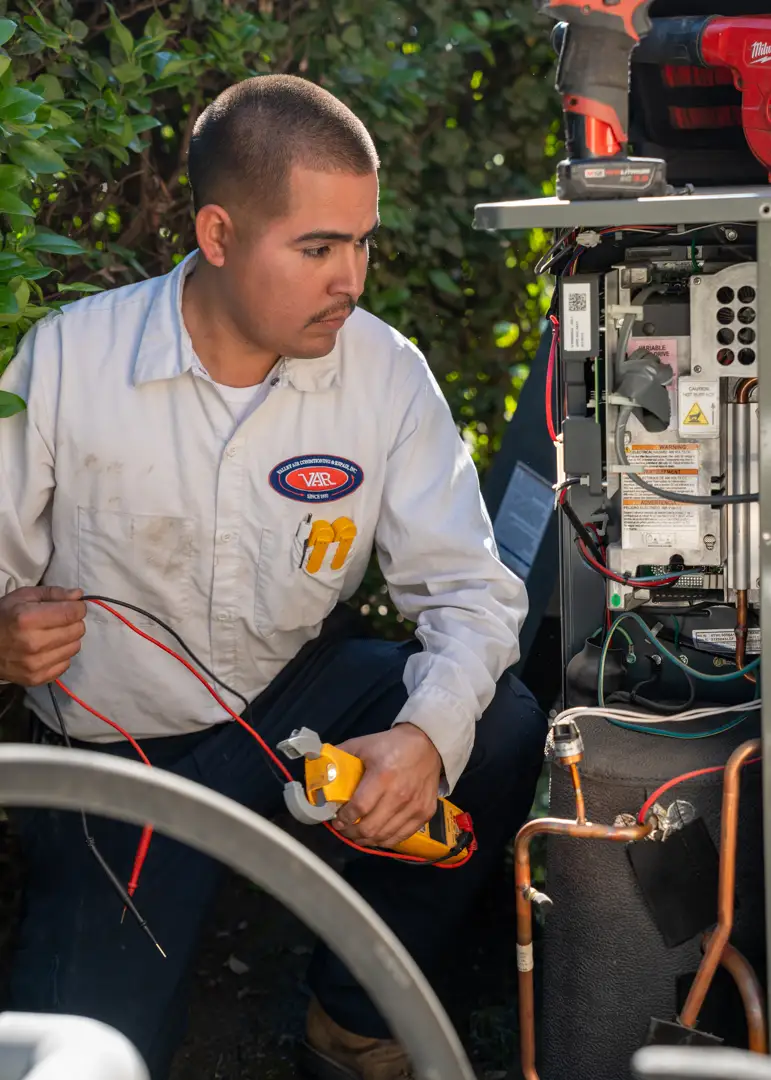
In the Valley, our air conditioners aren't just a luxury; they are a lifeline during the scorching summer months. Because these systems run almost continuously during peak season, components naturally wear down. Understanding most common ac repairs and what causes them is the first step in staying ahead of a total system failure.
Most repairs we see in cities like Fresno, Clovis, and Madera stem from three main areas: electrical strain, airflow restrictions, and moisture management. As your system ages—typically lasting 12 to 15 years—these issues become more frequent. Environmental factors, such as dust from local agriculture or debris from backyard vegetation, can also accelerate the decline of critical parts. To get to the bottom of your system's behavior, a professional AC Diagnostic Service is often the most efficient way to pinpoint the exact failure point.
Identifying the most common AC repairs and what causes them in electrical systems
Electrical issues are the "silent" culprits of many AC failures. The "MVP" of these failures is undoubtedly the capacitor. Statistics show that bad capacitors account for 52 out of 242 repair calls—that’s a staggering 21.5% of all service requests.
A capacitor acts like a high-energy battery, providing the massive "jolt" of electricity needed to start the compressor and fan motors. What causes them to fail? Usually, it's a combination of Central Valley heat stress, electrical surges, or simple old age. If you notice your AC Not Starting or hear a clicking sound followed by a hum, a failed start capacitor is a likely suspect.
Other electrical issues include worn-out contactors (the switches that start the motors) and corroded wiring. If you are wondering Why Is My AC Making a Buzzing Noise?, it could be an electrical component struggling to engage. When these parts fail, you might also find that your AC Fan Stops Working, leaving the rest of the system unable to dissipate heat.
Understanding the most common AC repairs and what causes them regarding airflow
Airflow is the lifeblood of your cooling system. When air can't move freely, the entire refrigeration cycle breaks down. As mentioned earlier, nine times out of ten, performance issues come down to a clogged air filter.
When a filter is thick with dust and pet dander, your blower motor has to work twice as hard to pull air through. This leads to two major problems:
- Frozen Evaporator Coils: Without enough warm air blowing over the coils, the refrigerant inside stays too cold, causing the moisture on the outside of the coils to turn into ice.
- Overheating: The system strains so much that it may shut down entirely to prevent the motor from burning out.
If you find yourself asking Why Is My AC Running But Not Cooling?, or if you notice the AC Is Blowing Warm Air, check your filter first. Restricted ventilation is a primary reason for high energy bills and premature component failure.
Refrigerant leaks and drainage issues
Your AC system is a closed loop, meaning it should never "run out" of refrigerant. If the levels are low, you have a leak. These leaks are often caused by formicary corrosion (tiny holes in the copper coils) or vibration that weakens fittings over time.
Common symptoms include a "sweet" chemical smell or specific sounds. If you've been wondering Why Is My AC Making a Hissing Sound?, that could be high-pressure refrigerant escaping. It’s vital to Understand AC Refrigerant Leaks and Solutions because simply "topping off" the fluid without fixing the leak is a temporary, expensive, and environmentally harmful practice.
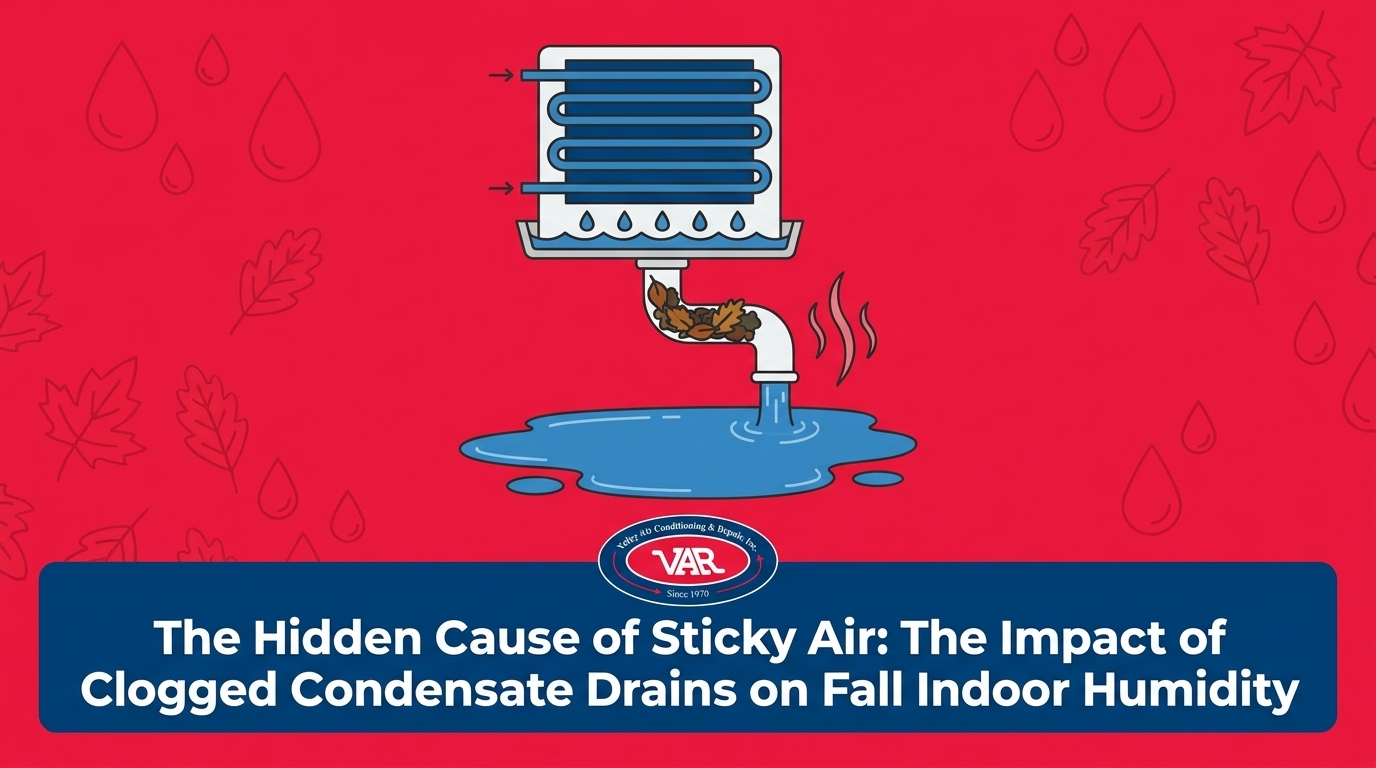
Drainage is another frequent headache. Because AC units dehumidify the air, they produce a lot of water. This water exits through a condensate drain line. In our warm climate, algae and mold love to grow in these lines, leading to clogs. When the line is blocked, water can back up into your home, leading to Air Conditioner Leaks that damage drywall and flooring.
Warning Signs and Symptoms of AC Failure
Your air conditioner usually tries to tell you it’s struggling long before it completely quits. Being able to spot these early warning signs can save you from a "catastrophic" failure, such as a dead compressor.
- Weak Airflow: If the air coming out of your vents feels like a faint breeze, you likely have a blower motor issue or a major duct leak.
- Unusual Odors: A musty, "dirty sock" smell often indicates mold in the drain pan or on the coils. If you notice your AC Smells Bad, it's time for a professional cleaning.
- Ice on the Lines: If you see ice on the copper refrigerant lines outside or on the indoor evaporator coil, shut the system off immediately. Running it while frozen can cause liquid refrigerant to flood back into the compressor, which is often a "death sentence" for the unit.
- Short Cycling: This is when the AC turns on and off every few minutes without ever reaching the set temperature. This puts immense strain on the capacitor and motor.
Ignoring these symptoms is risky. For instance, a small clicking sound today could be a failing capacitor that, if left unreplaced, causes the fan motor to burn out tomorrow. Understanding What’s Causing Your AC Compressor to Fail is essential because the compressor is the most expensive part of your system. If it fails, you are often looking at a full system replacement.
Troubleshooting and Safe DIY Fixes for Homeowners
Before you pick up the phone to call us, there are a few safe "no-sweat" checks you can perform yourself. Sometimes the solution is as simple as a flipped switch or a dead battery.
| The Problem | Safe DIY Check | When to Call a Pro |
|---|
| AC won't turn on | Check thermostat batteries; check circuit breaker | Breaker trips repeatedly; wiring is burnt |
| Not cooling well | Replace air filter; clear debris around outdoor unit | Low refrigerant; frozen coils; loud noises |
| Water near unit | Use a shop vac to clear the drain line exit | Leak persists; drain pan is cracked |
| Strange noises | Check for loose panels or debris in the fan | Hissing, grinding, or loud banging sounds |
Thermostat Calibration: Ensure your thermostat is set to "Cool" and the temperature is lower than the current room temp. Also, make sure it isn't in direct sunlight, which can give it a false reading and cause the system to cycle improperly.
Circuit Breaker Reset: If your AC loses power, check your electrical panel. You can reset a tripped breaker once. However, if it trips again immediately, stop. This indicates a serious electrical fault or a failing motor that is drawing too much power. For a deeper dive into these steps, check out our AC Troubleshooting Guide.
Preventing Frequent Breakdowns Through Maintenance
The best repair is the one that never has to happen. Regular maintenance is the most effective way to extend your system's life from 12 years to potentially 20 years.
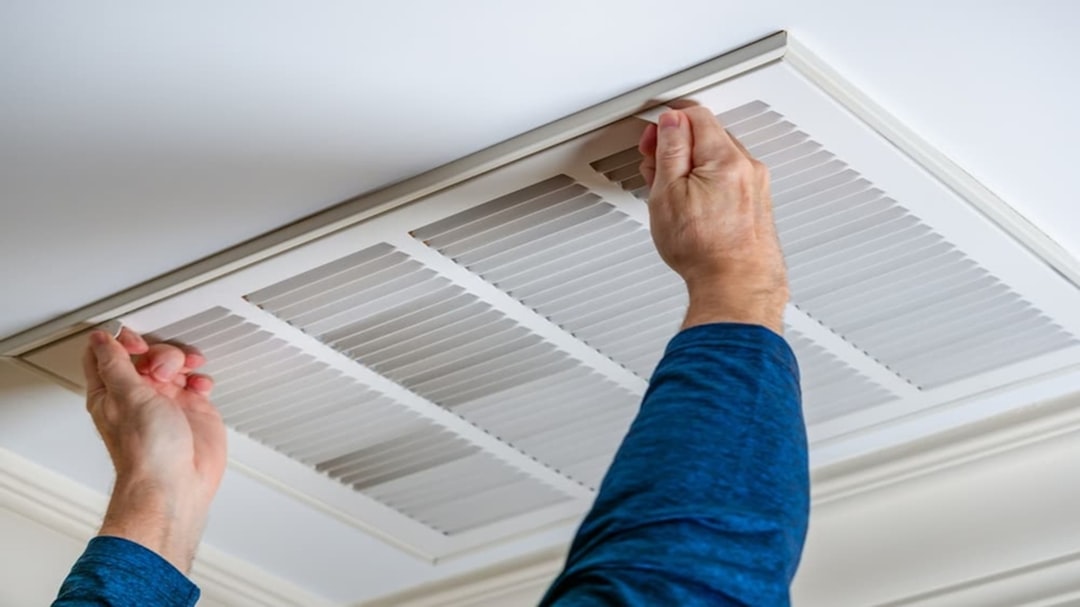
The 30-90 Day Rule: In the Central Valley, dust is a constant. We recommend checking your air filter every 30 days. If it's a standard 1-inch flat filter, replace it monthly. High-quality pleated filters can last up to 90 days, but homes with pets or high traffic may need more frequent changes.
Outdoor Unit Care: Your outdoor condenser needs to "breathe" to release the heat it gathered from inside your home. Maintain at least two feet of clearance on all sides. Keep grass clippings, leaves, and shrubs away from the unit. You can even gently rinse the outdoor coils with a garden hose (with the power off!) to remove dust and pollen.
Professional Tune-ups: A seasonal inspection in the spring, before the heat hits, allows a technician to check refrigerant levels, lubricate moving parts, and test electrical connections for corrosion. For a complete checklist of what goes into keeping your system healthy, see our AC Repair Fresno Ultimate Guide.
Repair vs. Replace: When to Invest in a New System
Eventually, every homeowner faces the "Repair vs. Replace" dilemma. If your system is over 10-12 years old and requires a major repair—like a compressor or an evaporator coil—it is often more cost-effective to replace the unit.
The $5,000 Rule: A common industry guideline is to multiply the age of the unit by the repair cost. If the result is more than $5,000, a replacement is usually the smarter financial move.
The Refrigerant Factor: If your system was built before 2011, it likely uses R-22 (Freon). This refrigerant has been phased out by the EPA and is now incredibly scarce and expensive. If an older R-22 system has a significant leak, we almost always recommend a replacement.
Modern systems offer much higher efficiency (SEER2 ratings) and better technology. For instance, ductless mini-splits use inverter technology to provide precise cooling without the 20-30% energy loss associated with traditional ductwork. When we install new systems in cities like Clovis or Reedley, we use Manual J calculations to ensure the unit is perfectly sized for your home’s square footage, preventing the short cycling that kills older, oversized units.
Frequently Asked Questions about AC Repairs
How often should I change my AC air filter in the Central Valley?
In our region, you should check your filter every month. Because of the dust and heat, filters clog faster here than in milder climates. Replace them at least every 90 days, but monthly is better during the peak of summer.
Why is my AC unit freezing up on a hot day?
This is usually caused by restricted airflow (a dirty filter or blocked return vents) or low refrigerant. When the airflow is blocked, the coil temperature drops below freezing, causing condensation to turn into ice.
What are the risks of ignoring a clicking or buzzing sound?
A clicking sound usually points to a failing capacitor or contactor. If you ignore it, the motor it powers can burn out, turning a simple electrical fix into a major motor or compressor replacement.
Conclusion
Since 1970, Valley Air Conditioning & Repair, Inc. has been the trusted name for homeowners throughout the Valley, from Fresno and Clovis to Sanger and Selma. Our customer-first philosophy is built on honorable intentions and the belief that you deserve clear answers about most common ac repairs and what causes them.
Whether you need a quick capacitor swap, a drain line clearing, or a consultation on a new high-efficiency system, our team is here to help. Don't wait for a total breakdown in the middle of a heatwave—Schedule your air conditioning service today and keep your home comfortable all summer long.


.webp)