.webp)


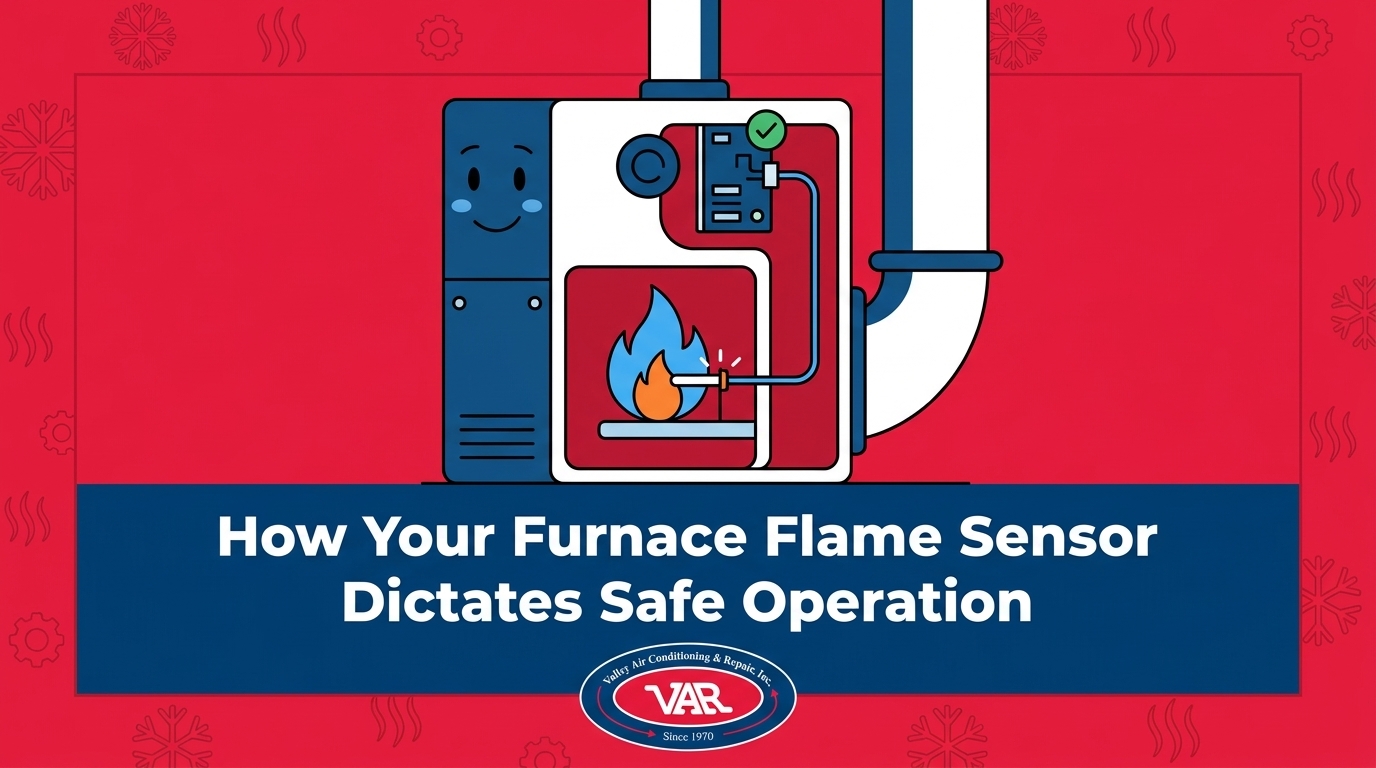
How Your Furnace Flame Sensor Dictates Safe Operation
If your heating system fires up only to shut down seconds later, a dirty flame sensor is likely to blame. See why this tiny rod triggers a strict safety lockout.

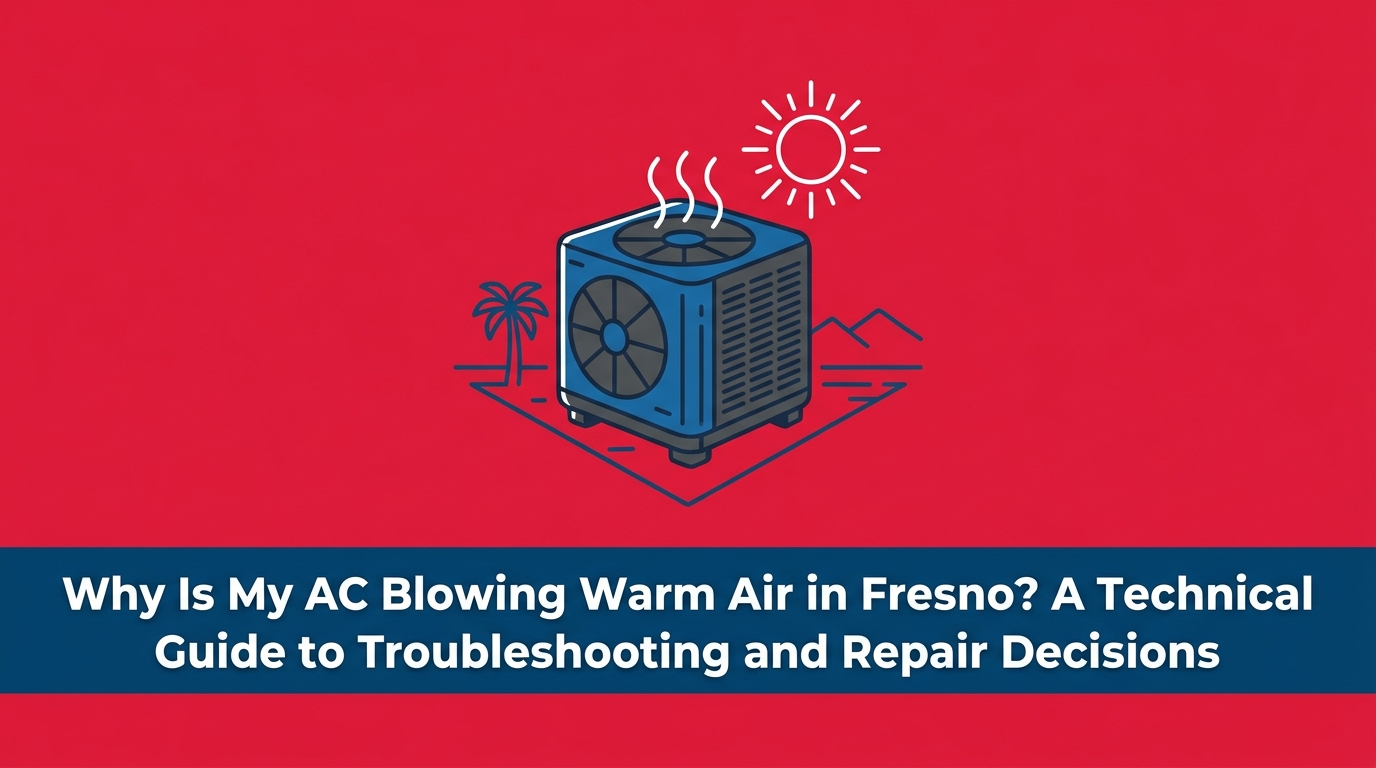
Your air conditioning is running continuously, yet the temperature inside your house is steadily climbing past 80 degrees. Navigating this frustrating scenario requires more than just a quick guess; relying on technical knowledge alongside local service expertise and area tips is the most reliable way to restore your home's comfort. Losing cooling capacity when outdoor temperatures exceed 100 degrees is not just a matter of discomfort—it quickly becomes a safety concern for your household. The sudden blast of warm air from your supply registers indicates that the heat transfer process has been interrupted, but the underlying cause can range from a minor setting error to a catastrophic system failure.
Understanding the mechanical state of your cooling system is the first step toward a resolution. Some warm air issues stem from simple airflow restrictions or electrical miscommunications that can be corrected in minutes. However, others point to a complete breakdown of primary components, forcing a difficult decision about the future of your equipment. As you navigate the peak summer cooling season, evaluating whether your system requires a minor adjustment, a complex component replacement, or a complete upgrade requires an objective framework.
For a thorough evaluation of your system's health, exploring comprehensive HVAC services ensures that every component is operating within safe parameters. When failures do occur, securing professional air conditioning repair provides the accurate diagnostics needed to make an informed, technical decision about your home's cooling infrastructure.
Before assuming that your air conditioner has suffered a catastrophic breakdown, it is important to verify that the fundamental controls and airflow pathways are functioning correctly. Many service calls during the summer turn out to be minor oversights that homeowners can safely check without opening the equipment cabinet. By eliminating these basic variables, you can either restore your cooling immediately or provide valuable information to a technician if professional intervention is required.
1. Verify your thermostat fan settings: The most common reason for warm air circulating through a home is a thermostat fan set to the "on" position rather than "auto." When the fan is set to "on," the indoor blower motor runs continuously 24 hours a day. However, the outdoor compressor only runs during active cooling cycles. Between those cycles, the indoor fan simply pushes uncooled, room-temperature air through your ductwork, which feels warm to the touch. Switching the setting back to "auto" ensures the fan only runs when the system is actively cooling.
2. Inspect the electrical panel for tripped breakers: Central air conditioning systems utilize two separate power circuits—one for the indoor air handler and one for the outdoor condensing unit. If the circuit breaker for the outdoor unit trips due to a power surge or an overheated motor, the indoor fan will continue to blow air over a warm evaporator coil. Check your main electrical panel and reset any tripped breakers. If the breaker trips a second time, do not force it; this indicates a serious electrical short that requires professional diagnostics.
3. Check air filters for severe blockages: A heavily clogged air filter restricts the volume of air moving over the indoor evaporator coil. Without enough warm indoor air passing over the cold coil, the temperature of the coil drops below freezing. The condensation on the coil turns to solid ice, completely blocking airflow and preventing any further heat absorption. The resulting air pushed through the vents will feel warm and weak. Replacing the filter and letting the ice melt is the first step to resolving this issue.
If these foundational checks do not restore cold air, it is critical that you turn the system off at the thermostat. Continuing to run an air conditioner that cannot cool will only cause further mechanical damage. For more specific local scenarios, you can review the common reasons your AC is blowing warm air in Clovis to understand what neighbors in the Fresno Central Valley region frequently encounter.
The environment directly surrounding your home plays a massive role in how efficiently your air conditioner operates. In the San Joaquin Valley, the combination of intense dry heat, high airborne particulate matter, and seasonal agricultural debris creates a uniquely hostile environment for mechanical cooling equipment. Understanding the physics of how your system interacts with this environment explains why routine upkeep is so critical.
The Problem: Air conditioners rely on unobstructed airflow across two distinct coils—the indoor evaporator coil and the outdoor condenser coil. In our region, fine dust and agricultural debris are constantly pulled into the outdoor unit by its powerful fan. Simultaneously, indoor dust, pet dander, and particulates bypass cheap or improperly fitted filters, coating the indoor coil in a layer of grime.
The Cause: This accumulation of dirt acts as a highly effective thermal insulator. The physics of air conditioning dictate that heat must be absorbed indoors and rejected outdoors. When the indoor coil is insulated by a blanket of dust, the refrigerant inside cannot absorb the heat from your home's air. When the outdoor coil is clogged with debris, the system cannot release that trapped heat into the outside atmosphere. The heat transfer process stalls entirely, and the air blowing from your vents remains warm.
The Solution: Because the system cannot satisfy the temperature set on the thermostat, the compressor is forced to run continuously. This non-stop operation under extreme thermal load drastically accelerates internal wear and tear, eventually leading to motor failure. The most effective way to combat this environmental strain throughout the Fresno Central Valley region is through consistent, professional cleaning and calibration. Enrolling in a preventative maintenance plan ensures that your coils remain clean, your airflow remains unrestricted, and your compressor operates without unnecessary resistance.
When basic airflow and electrical issues have been ruled out, a sudden loss of cooling often points to the most critical component in the entire system: the compressor. Located inside the outdoor condensing unit, the compressor is effectively the "heart" of your air conditioner. Its primary job is to pressurize the refrigerant gas, raising its temperature and forcing it to flow through the system to release heat outdoors. If the compressor fails, the entire cooling cycle stops, even if the fans continue to blow.
Recognizing the signs of compressor distress:
A compressor rarely fails without warning. One of the most common early indicators is "hard starting." This occurs when the compressor struggles to overcome internal mechanical resistance when turning on, drawing a massive surge of electricity that may cause your home's lights to flicker. You might also notice unusual, aggressive noises coming from the outdoor unit. A loud grinding, clanking, or screeching sound typically indicates that the internal motor mounts have broken or that the internal bearings are grinding without proper lubrication. In severe cases, the outdoor fan will spin, but the compressor itself will remain entirely silent and fail to engage.
The impact of peak heat on aging equipment:
An aging compressor is highly vulnerable to catastrophic failure during the peak summer cooling season. As the internal components wear down over years of use, the motor must work harder to achieve the same level of refrigerant compression. When outdoor temperatures exceed 100 degrees, the system is forced to run at maximum capacity for hours on end. This sustained operational strain generates intense internal heat, which breaks down the compressor's electrical windings and leads to a permanent short circuit.
Diagnosing a compressor issue is not a do-it-yourself task. It requires specialized, calibrated tools to measure high-voltage electrical draw, test the integrity of the motor windings, and assess the high and low-side refrigerant pressures safely. Only a licensed technician can determine if the compressor has failed mechanically or if a supporting electrical component, like a start capacitor, is simply preventing it from turning on.
Another major technical reason for an air conditioner blowing warm air is an improper refrigerant charge. Refrigerant is the chemical lifeblood of the cooling process. It cycles continuously between a liquid and a gas, absorbing heat from inside your home and dumping it outside. It is crucial to understand that air conditioners do not "consume" or "burn up" refrigerant over time. The system is a completely sealed, closed loop. If your system is low on refrigerant, there is a physical hole or crack in the copper lines or coils that is allowing the pressurized gas to escape.
How low refrigerant causes warm air:
When the volume of refrigerant in the system drops below the manufacturer's specifications, the pressure inside the indoor evaporator coil drops as well. This lack of pressure prevents the chemical from absorbing ambient heat effectively. Initially, this causes the coil to freeze over. Once the ice blocks the airflow entirely, or once the refrigerant level drops so low that the heat transfer process stops completely, the air coming from your vents will be noticeably warm.
The reality of R-22 phaseouts:
For homeowners with older systems, a refrigerant leak presents a significant regulatory and financial hurdle. In the past, technicians could simply repair the leak and recharge the system with R-22 (commonly known as Freon). However, the Environmental Protection Agency (EPA) has mandated a complete phaseout of R-22 due to its ozone-depleting properties. It is no longer manufactured or imported into the United States.
Because the supply of R-22 is strictly limited to recycled stock, the cost to recharge an older system has become exceptionally high. Discovering a leak on an R-22 system during the peak summer cooling season is a critical pivot point. Investing heavily in obsolete, expensive refrigerant for a system that is already nearing the end of its mechanical life is rarely a sound financial decision. This scenario almost always shifts the conversation away from a simple repair and toward a full system replacement.
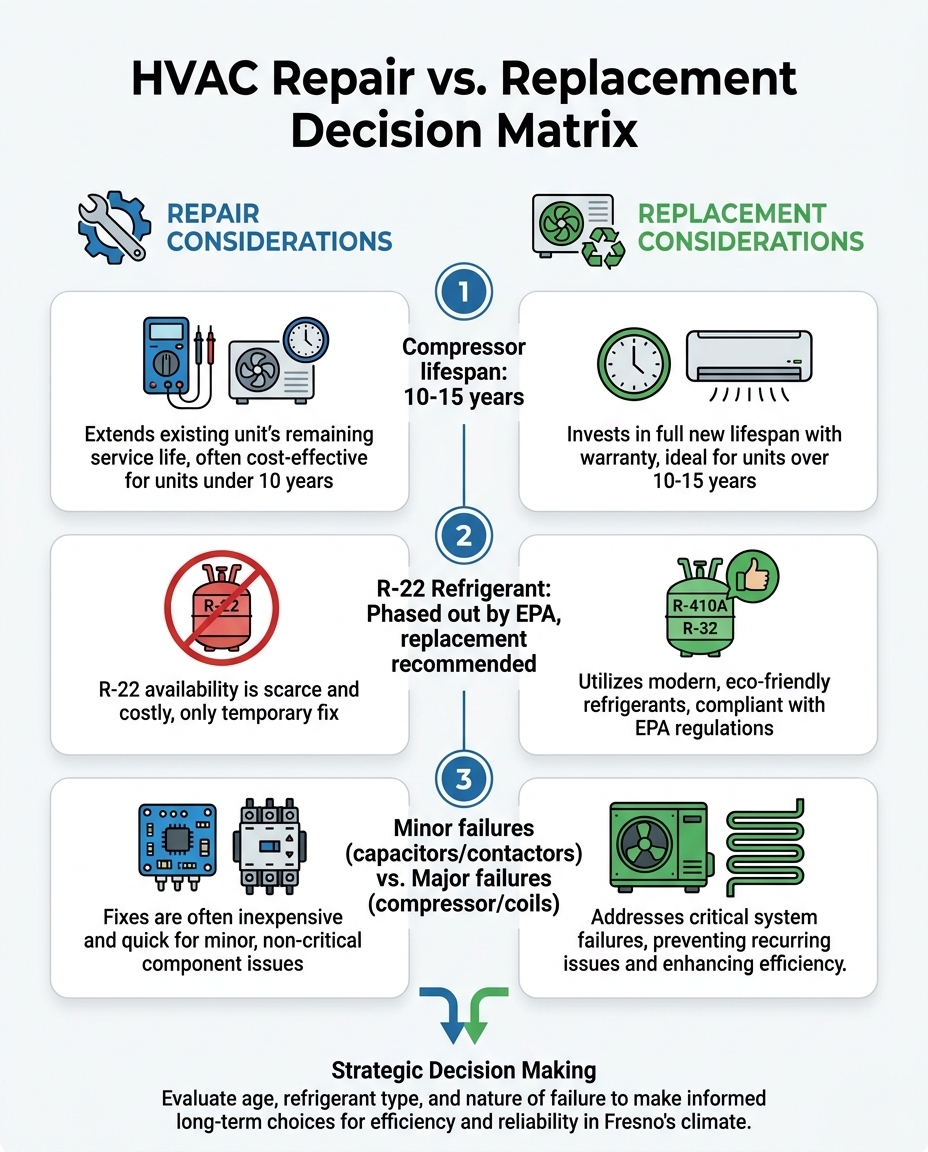
When faced with a major component failure—such as a dead compressor or a severe refrigerant leak on an older system—homeowners need a neutral, technical framework to make the right financial decision. High-pressure sales tactics have no place in this process. Instead, the decision should be based on objective criteria regarding the physical state of the equipment.
The U.S. Department of Energy estimates that the average lifespan of a central air conditioning compressor is roughly 10 to 15 years, depending heavily on the climate load and maintenance history. Replacing a catastrophic component on a system that has already surpassed this lifespan often leads to mismatched efficiency. The new compressor will operate perfectly, but it will be forcing refrigerant through aging, worn-out coils, which frequently leads to secondary failures shortly after the initial repair.
As a company with deep roots in the community, Valley Air Conditioning & Repair is committed to providing honest, objective technical assessments rather than pushing unnecessary replacements. We service numerous service areas across the Central Valley, ensuring that homeowners have access to the facts they need to make the best choice for their property in the Fresno Central Valley region.
Repairing the system is usually the most logical and cost-effective path when the equipment still has a significant portion of its operational life remaining. Consider a repair if:
• The system is under 10 years old: Equipment in this age range is often still covered by the manufacturer's parts warranty, significantly reducing the cost of replacing major components.
• The unit utilizes modern refrigerants: Systems that run on R-410A or newer, compliant refrigerants do not face the extreme scarcity and cost penalties associated with R-22 phaseouts.
• The failure is isolated to non-catastrophic parts: If the warm air is caused by a failed dual-run capacitor, a pitted contactor, or a faulty fan motor, these are straightforward, highly effective repairs that restore full functionality without compromising the system's overall integrity.
Continuing to patch an obsolete system will eventually cost more in constant breakdowns and high energy bills than investing in modern equipment. System replacement is the recommended path when:
• The system exceeds its 15-year lifespan: Once an air conditioner passes the 15-year mark, the internal wear on the coils, blower motor, and wiring makes future breakdowns highly probable.
• The unit requires phased-out R-22 refrigerant: As discussed, paying to recharge an R-22 system is an investment in obsolete technology with diminishing returns.
• The compressor has suffered a catastrophic failure: A dead compressor is the most expensive repair possible. Putting a brand-new compressor into a 15-year-old system is functionally equivalent to putting a brand-new engine into a car with a failing transmission and rusted suspension.
• System Age — Favoring Repair: Under 10 years old (likely under warranty) — Favoring Replacement: Over 10-15 years old (past expected lifespan)
• Refrigerant Type — Favoring Repair: Modern R-410A or compliant alternatives — Favoring Replacement: Obsolete R-22 (Freon)
• Component Failed — Favoring Repair: Capacitor, contactor, fan motor, or minor wiring — Favoring Replacement: Compressor, severely leaking evaporator coil
• Repair Cost Ratio — Favoring Repair: Cost is less than 30% of a new system — Favoring Replacement: Cost exceeds 50% of the value of a new system
The first step is to check your thermostat to ensure the fan is set to "auto" rather than "on." Next, verify that the outdoor unit's circuit breaker hasn't tripped and that your air filter is clean and unobstructed. If these basic checks do not resolve the issue, turn the system off immediately at the thermostat. Continuing to run the system while it fails to cool can cause severe mechanical damage to the compressor. Call a professional technician to perform a thorough diagnostic assessment.
Yes, a severely dirty filter is one of the most common causes of warm air coming from your vents. The dirt blocks warm indoor air from reaching the evaporator coil, causing the coil's temperature to drop below freezing. Once the coil turns into a block of solid ice, airflow is entirely restricted, and the heat transfer process stops. The small amount of air that does make it through the ductwork will feel weak and warm.
A failing compressor often gives warning signs before it dies completely. You may notice the outdoor unit struggling to start, which can cause the lights in your home to dim or flicker due to the excessive electrical draw. You might also hear loud grinding, clanking, or screeching noises indicating internal mechanical failure. If the outdoor fan is spinning but the unit is entirely silent and not producing cold air, the compressor has likely failed to engage.
A sudden transition from cold to warm air usually indicates an acute mechanical or electrical failure. This could be a blown dual-run capacitor that stops the outdoor fan or compressor from starting. It could also indicate a sudden, severe loss of refrigerant due to a ruptured line. Because the change was sudden rather than gradual, it requires professional electrical testing to pinpoint the exact failed component.
The industry standard recommendation is to consider replacing an AC unit once it reaches 10 to 15 years of age, particularly if it requires a major repair. If a system is over 12 years old and suffers a catastrophic compressor failure or a severe refrigerant leak, the cost of the repair is no longer a sound investment. Upgrading to a new system provides better energy efficiency, a new warranty, and reliable performance during the peak summer cooling season.
Extreme summer heat forces the compressor to run at maximum capacity for extended, uninterrupted periods. As a compressor ages, internal wear increases the mechanical resistance the motor must overcome. The combination of high ambient outdoor temperatures and constant, heavy operation generates intense internal heat. This thermal stress breaks down the electrical insulation on the motor windings, eventually leading to electrical shorts and total compressor failure.
Dealing with an air conditioner that blows warm air is a frustrating experience, especially when temperatures soar. While the root cause can sometimes be traced back to simple airflow restrictions or incorrect thermostat settings, persistent warm air often signals the need for a deeper technical evaluation. Recognizing the difference between a minor electrical hiccup and a major component failure is the key to managing your home's comfort effectively.
When major failures occur, it is essential to use objective criteria—such as the age of the system, the type of refrigerant it uses, and the scope of the broken components—when deciding how to proceed. A clear, technically sound framework helps you weigh the costs and benefits of repairing versus replacing your equipment without the stress of guesswork. If your system is struggling to keep up with the demands of the Fresno Central Valley region, seeking an expert diagnostic assessment will provide the clarity you need to restore your cooling safely and efficiently.

As a business with many AC units, it is essential to have a responsive AC company. Valley Air Conditioning understands our needs. They are always responsive and our AC is up and running very quickly.
I had them do an AC check on the home I was buying, they were honest and quick. I hired them to do the summer and Fall maintenance for $149. Happy with this company!
100% recommend. I called, same day they came out and gave me estimate. Conley was honest and didn't try to recommend/sell us anything we didn't need. When I called him with questions before making a decision, he happily answered and was not annoyed by me contacting him. Conley and VAR
This is a group of good people. Very professional and knowledgeable. They take the time to listen and find the best solution that fits best for any situation. There's no way you can go wrong in choosing VAR.
We have used Valley Air for over fifteen years. The last two years ,Matt came to our house to service twice a year. Always on time, so polite and so professional. This is a very honest company and you can always depend on them and trust them. The office always treats everyone cheerfully and always want to do what you need done very fast YOU CAN COUNT ON THIS Company