.webp)


The Importance of Checking Carbon Monoxide Detectors Before Furnace Season
Firing up a dormant gas furnace without verifying your CO monitors is a massive household risk. Take five minutes to ensure your safety before the first chilly autumn night.
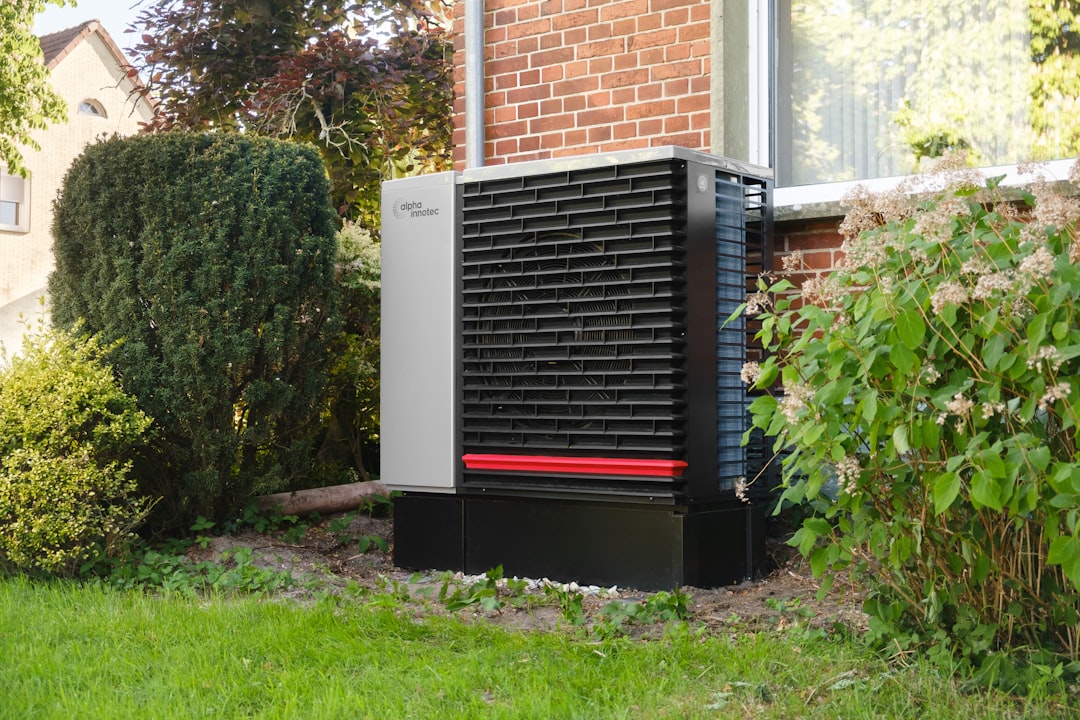
How ac refrigerant changes affect homeowners is a question on many minds across the Central Valley right now — and for good reason. As of January 1, 2026, the EPA now requires all newly manufactured residential AC systems to use refrigerants with a Global Warming Potential (GWP) of 700 or less. That means the refrigerant that has powered most home air conditioners for the past two decades — R-410A — is no longer used in new equipment.
Here is a quick summary of what this means for you as a homeowner:
The short version: if your AC is running fine, breathe easy. But if it is aging or already showing signs of trouble, this transition is a good reason to start planning ahead — especially as R-410A supplies tighten and repair costs climb.
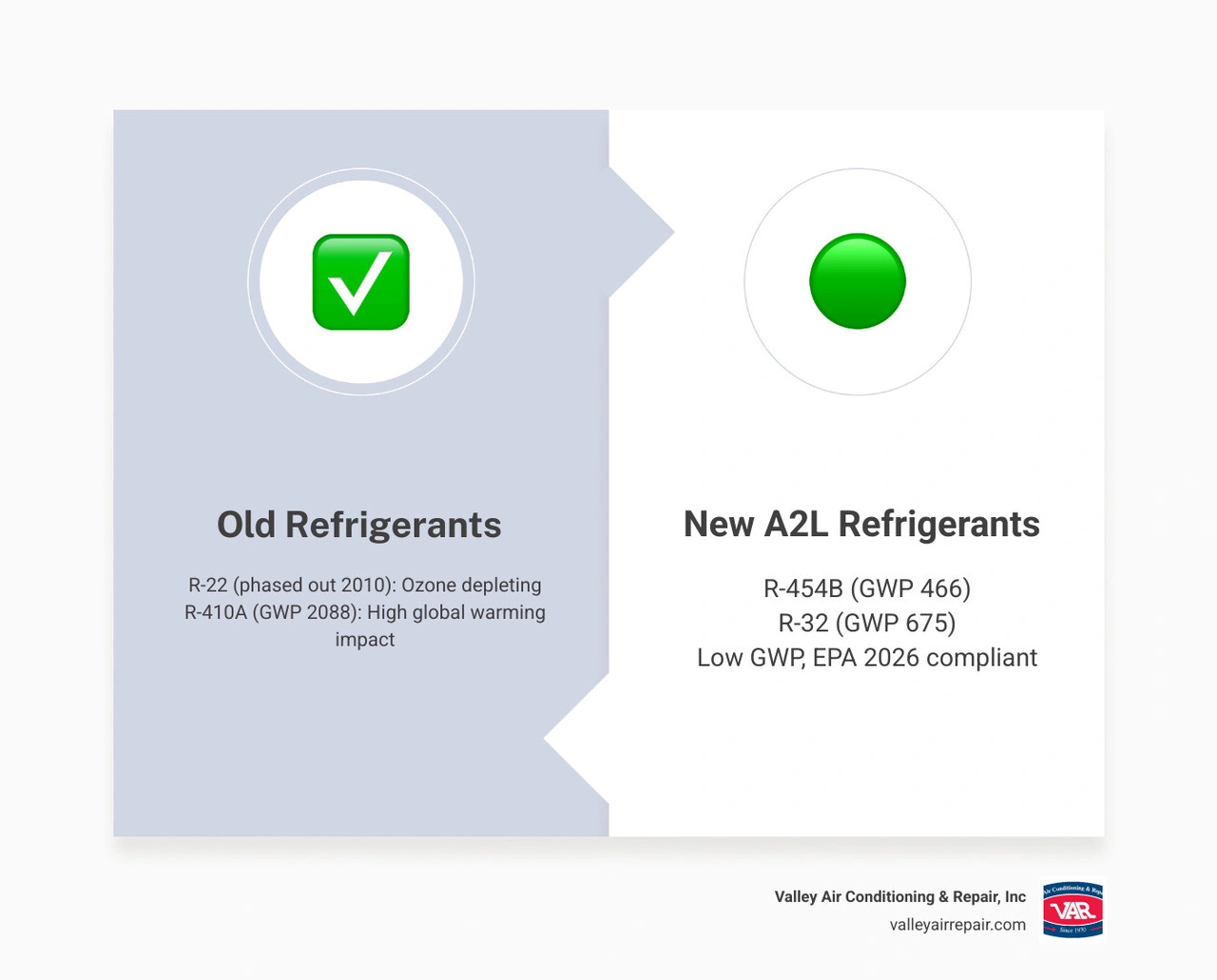

The shift we are seeing in 2026 is part of a larger global effort to protect our environment. Most homeowners in Fresno, Clovis, and Madera are familiar with the "Freon" (R-22) phase-out that happened years ago. That transition was about protecting the ozone layer. This new change, driven by the American Innovation and Manufacturing (AIM) Act, focuses on Global Warming Potential (GWP).
R-410A, the standard refrigerant for years, has a GWP of 2,088. This means it is over 2,000 times more potent than carbon dioxide when it comes to trapping heat in the atmosphere. By moving to new A2L refrigerants, the HVAC industry is reducing the climate impact of home cooling by approximately 65%.
It is important to remember that refrigerant is the "lifeblood" of your AC. It circulates in a closed loop, absorbing heat from inside your home and releasing it outside. When a system is working correctly, the refrigerant is never "used up." However, leaks happen due to wear and tear, vibrations, or corrosion. If you suspect your system is losing its cooling power, it is vital to Understand AC Refrigerant Leaks and Solutions before the summer heat hits its peak.
As we transition into 2026, you will start hearing the term "A2L" more often. This is a safety classification for the new class of refrigerants, which includes R-454B and R-32.
Both of these fall well under the EPA’s new 700 GWP limit. The "A" in A2L stands for low toxicity (safe for people), and the "2L" stands for "mildly flammable." While that sounds a bit intimidating, these refrigerants are actually very difficult to ignite. In fact, many household items like hairspray or certain cleaning supplies are more flammable than A2L refrigerants. These substances have been used safely in cars and refrigerators for years.
Because A2L refrigerants are mildly flammable, the equipment used to house them has been redesigned with advanced safety technology. New systems installed in Modesto and surrounding areas now come equipped with Refrigerant Detection Systems (RDS).
If a leak is detected within the indoor coil, these sensors instantly trigger the indoor blower fan. By moving air through the home, the system ensures the refrigerant is dissipated safely so it never reaches a concentration level where it could pose a risk. This "active" safety approach gives homeowners peace of mind while helping the environment.
For those of us still running R-410A systems in Clovis or Kerman, identifying a leak early is more important than ever. Because the supply of R-410A is being phased down, the cost to "top off" a leaking unit will only increase as time goes on.
Common signs of a leak include:
If you notice these symptoms, you may be Troubleshooting AC Refrigerant Pressure Issues. Simply adding more gas is a temporary fix that can lead to compressor failure. Especially if your AC Has Low Refrigerant Pressure Clovis homeowners should seek a professional repair to seal the leak and protect the system’s lifespan.
If your current air conditioner was installed recently, don't worry—you are not being forced to upgrade. We expect R-410A to be available for repairs for many years to come through reclaiming and recycling programs. Between 2000 and 2018, over 140 million pounds of older refrigerants were reclaimed in the US, and a similar process will sustain R-410A systems.
The key to avoiding high repair costs is proactive maintenance. Regular inspections can catch small vibrations or loose connections before they turn into major leaks. Before the Fresno summer heat arrives, it is a great idea to review some AC Troubleshooting Tips Before Calling a Pro to ensure your system is in top shape.
For those with heat pumps in areas like Sanger or Reedley, these systems work year-round and face double the wear. Keeping an eye on Common Heat Pump Pressure Problems can save you from an emergency breakdown during a winter cold snap or a summer heatwave.
If your air conditioner is more than 10–12 years old, 2026 might be the year to consider an upgrade. While the new A2L systems have a higher initial price tag due to the new sensors and components, they offer significant long-term benefits.
Upgrading to an ENERGY STAR certified system can cut your annual energy bills by more than $160. Furthermore, the federal government is offering substantial help through the Inflation Reduction Act. Homeowners may be eligible for tax credits of up to 30% of the project cost (capped at specific amounts for ACs and heat pumps).
When you combine these federal credits with local utility rebates from providers serving Turlock and the Central Valley, the transition becomes much more affordable. If you aren't sure if your system is ready for retirement, our AC Troubleshooting Guide can help you evaluate its current health.
No. There is no law requiring you to replace a functioning R-410A system. You can continue to use, maintain, and repair your current unit for as long as parts and refrigerant remain available. The 2026 mandate only applies to the manufacturing of new equipment.
No. A2L refrigerants like R-454B and R-32 operate at different pressures and require specific safety sensors and oil types. Attempting to "drop-in" a new refrigerant into an old system is dangerous and will likely destroy your compressor.
The easiest way is to look at the data plate on your outdoor condenser unit. It will list the refrigerant type (usually R-22 or R-410A). If the label is faded or missing, a professional technician can identify it during a routine maintenance visit.
At Valley Air Conditioning & Repair, Inc., we have been serving "the Valley" since 1970. We have seen many refrigerant transitions over the decades, and we are here to help you navigate this one with ease. Whether you live in Fresno, Clovis, Madera, or any of our surrounding communities, our goal is to provide honest advice and expert service.
How ac refrigerant changes affect homeowners can feel complicated, but it ultimately leads to more efficient homes and a healthier planet. By staying proactive with your maintenance and planning for future upgrades, you can keep your home comfortable for years to come.
If you have questions about your system or are ready to explore the latest high-efficiency cooling options, we are ready to help. Trust our decades of local expertise to keep you cool.

As a business with many AC units, it is essential to have a responsive AC company. Valley Air Conditioning understands our needs. They are always responsive and our AC is up and running very quickly.
I had them do an AC check on the home I was buying, they were honest and quick. I hired them to do the summer and Fall maintenance for $149. Happy with this company!
100% recommend. I called, same day they came out and gave me estimate. Conley was honest and didn't try to recommend/sell us anything we didn't need. When I called him with questions before making a decision, he happily answered and was not annoyed by me contacting him. Conley and VAR
This is a group of good people. Very professional and knowledgeable. They take the time to listen and find the best solution that fits best for any situation. There's no way you can go wrong in choosing VAR.
We have used Valley Air for over fifteen years. The last two years ,Matt came to our house to service twice a year. Always on time, so polite and so professional. This is a very honest company and you can always depend on them and trust them. The office always treats everyone cheerfully and always want to do what you need done very fast YOU CAN COUNT ON THIS Company