.webp)


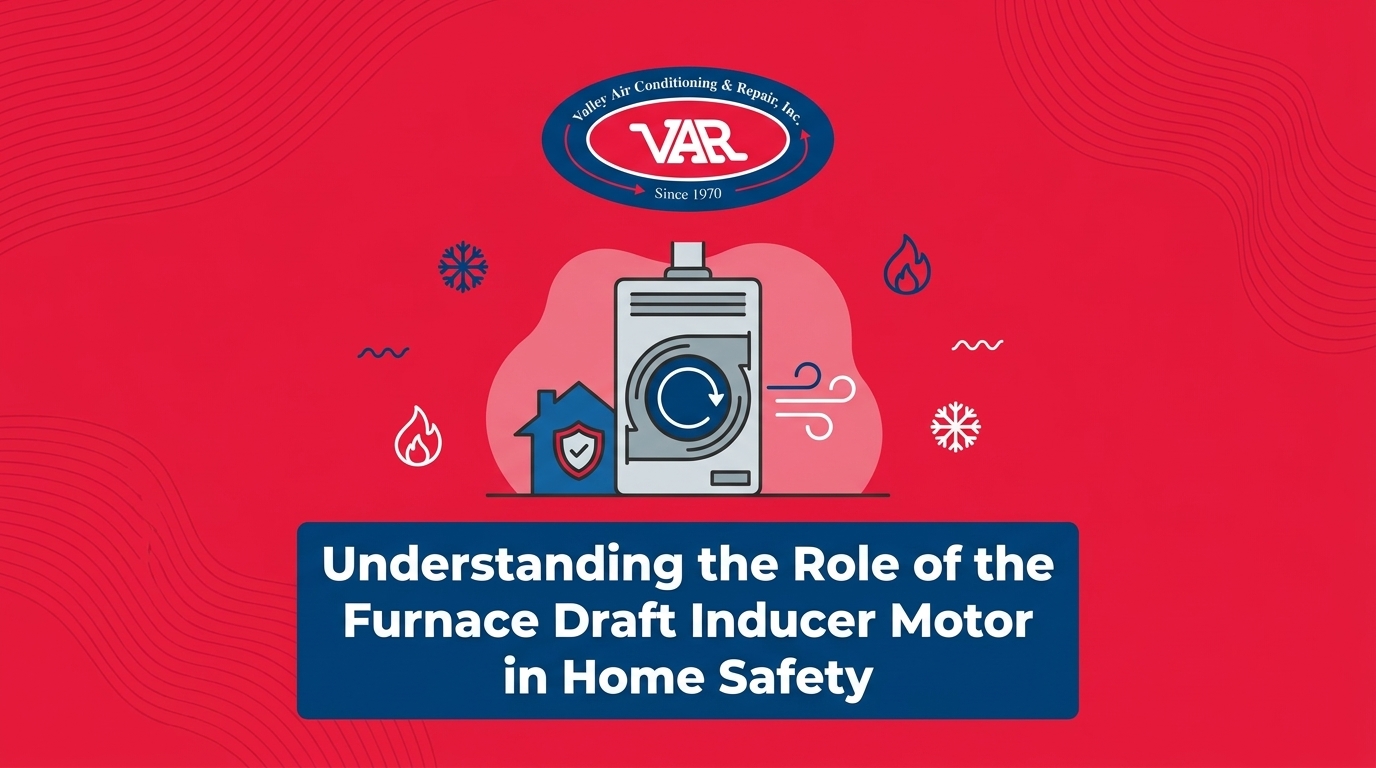
Understanding the Role of the Furnace Draft Inducer Motor
A sudden furnace lockout on a chilly fall morning is frustrating, but it might save your life. See how the draft inducer motor acts as a crucial safety shield against toxic gases.
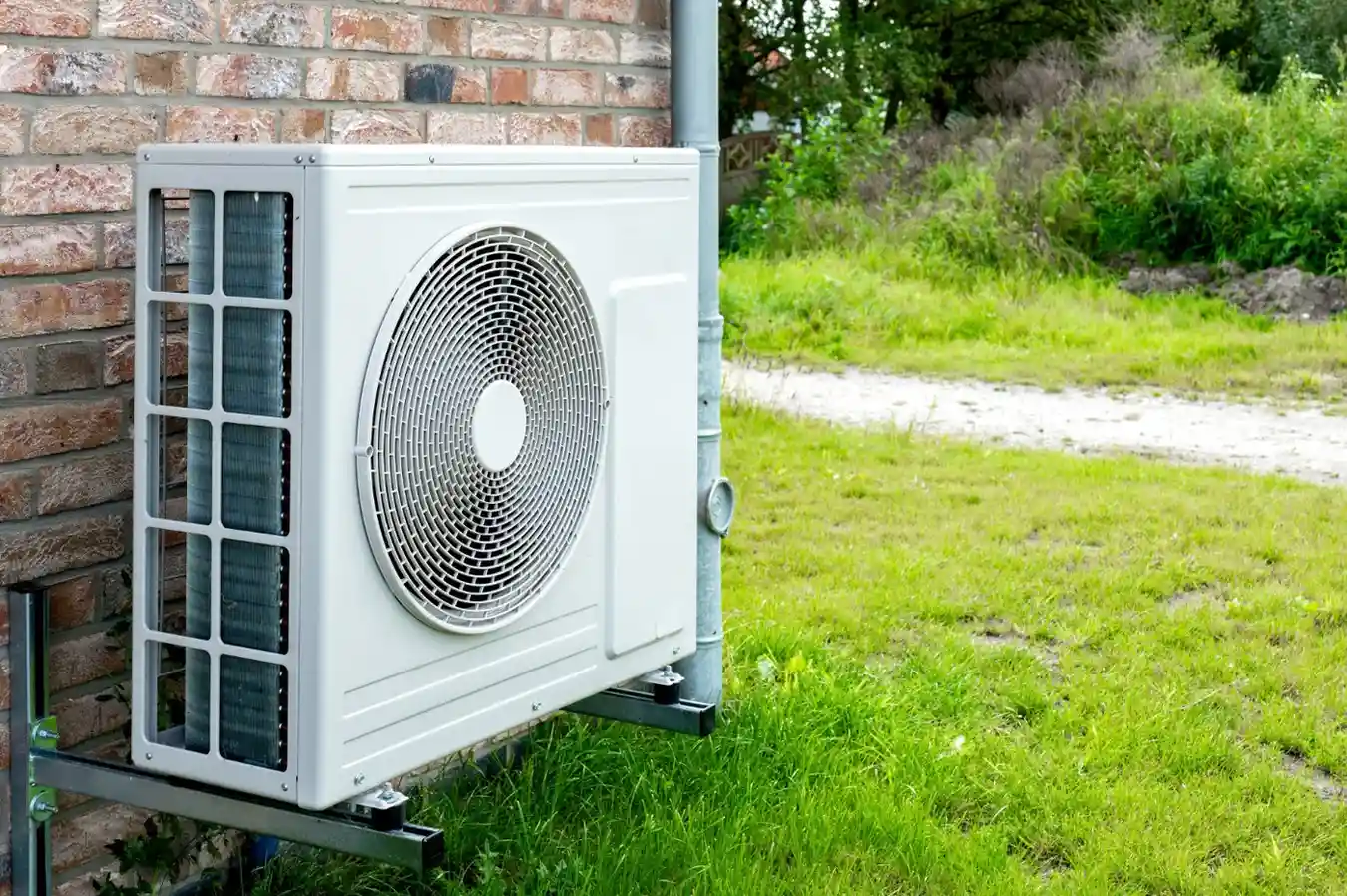
How the refrigerant transition affects your next AC purchase is something every Central Valley homeowner needs to understand before signing off on a new system in 2026. If your AC is aging, leaking, or just struggling to keep up with another hot Modesto summer, the rules of the game have already changed — and what's sitting on the shelf at your HVAC supplier today looks very different from what was there two years ago.
Here's the short version of what's happening and what it means for you:
Think of it like the earlier shift from R-22 to R-410A. That transition felt disruptive at the time, but homeowners who understood what was coming made smarter decisions and avoided being caught off guard by skyrocketing repair bills on outdated systems. The same logic applies now.
In this guide, Valley Air Conditioning & Repair, Inc. walks you through everything you need to know — from what the regulations actually require, to how the new refrigerants work, to how to decide whether repairing or replacing your current system makes the most financial sense for your home in Modesto or anywhere across California's Central Valley.
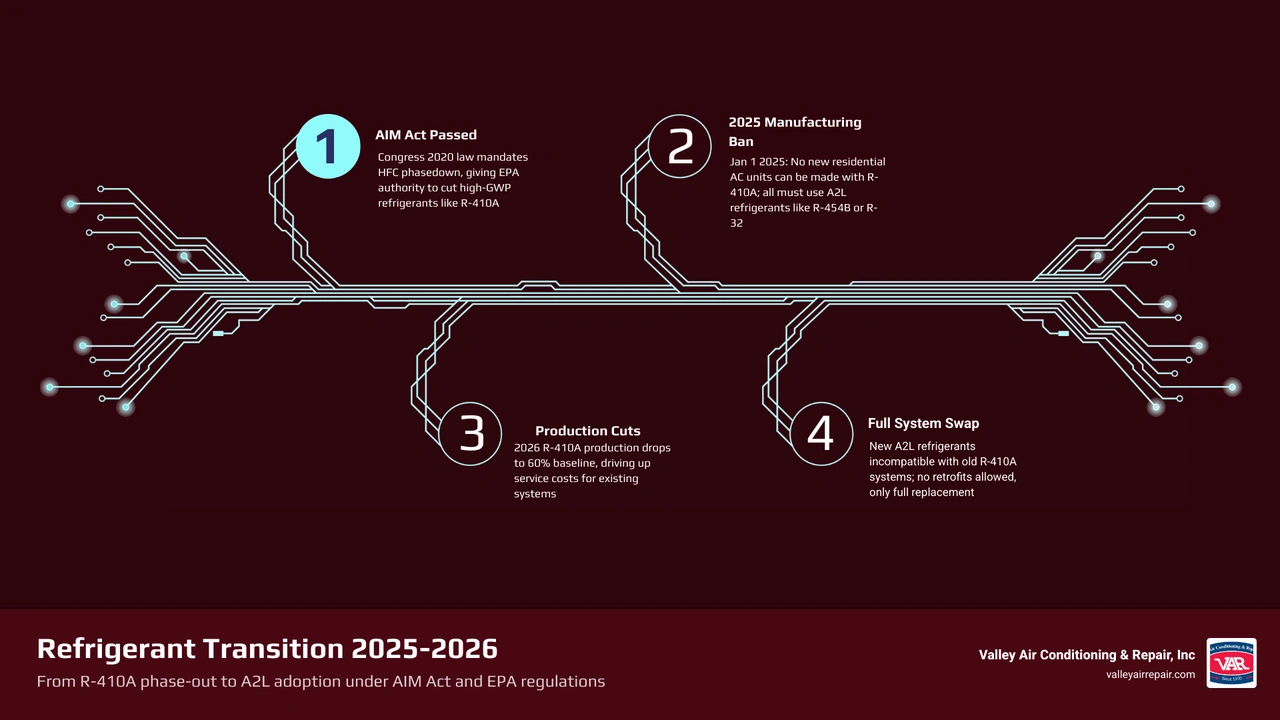
To understand why the industry is moving away from R-410A, we have to look at federal environmental policy. The transition is driven by the American Innovation and Manufacturing (AIM) Act, which was passed by Congress in late 2020. This law gave the Environmental Protection Agency (EPA) the authority to mandate a phasedown of hydrofluorocarbons (HFCs) — the class of chemical compounds that includes R-410A.
While R-410A was originally introduced as an environmentally friendly alternative to ozone-depleting R-22 (often known by the brand name Freon), scientists eventually determined that HFCs carry a different environmental risk: high Global Warming Potential (GWP).
GWP is a relative measure of how much heat a greenhouse gas traps in the atmosphere compared to carbon dioxide (which has a baseline GWP of 1). R-410A has an incredibly high GWP of 2,088. This means that releasing one pound of R-410A into the air has the same warming impact as releasing more than a ton of carbon dioxide.
To combat this, the EPA's Technology Transitions program established a strict GWP limit of 700 for all new residential air conditioning and heat pump systems. Because R-410A far exceeds this limit, manufacturers were forced to stop producing new R-410A equipment.
For homeowners planning a Residential AC Installation, this means that any newly manufactured system sitting in a warehouse must utilize a compliant, low-GWP refrigerant. The older stock of R-410A units is rapidly disappearing from supplier inventories, leaving next-generation technology as the standard choice for comfort.

When you purchase a new air conditioner or heat pump, you aren't just buying the same old machine with a different gas inside. Because the new low-GWP refrigerants belong to a safety class known as A2L, manufacturers have completely redesigned their equipment to ensure safe and reliable operation.
A2L refrigerants, such as R-454B and R-32, are classified by ASHRAE as "mildly flammable." While that label might sound slightly alarming at first, the reality is that these gases are incredibly difficult to ignite. They require a high-energy ignition source and a highly specific concentration in the air to catch fire. In fact, many common household products like hairspray, rubbing alcohol, and natural gas are far more flammable than A2L refrigerants.
To guarantee safety, new A2L systems feature advanced built-in safeguards:
These engineering updates mean that how the refrigerant transition affects your next AC purchase goes beyond the chemical compound in the lines — it changes the very brains of your home comfort system.
Fortunately, the transition to A2L technology brings a major financial upside for homeowners: significantly improved energy efficiency.
Because A2L refrigerants have superior thermodynamic properties compared to R-410A, they transfer heat much more effectively. This means your compressor doesn't have to work as hard to cool your home, leading to a direct reduction in your monthly utility bills. On average, new A2L systems run 10% to 15% more efficiently than their older R-410A counterparts.
Specifically, systems designed around R-32 can achieve up to a 12% efficiency boost, while those utilizing R-454B offer an 8% to 10% improvement. When paired with a modern smart thermostat, these systems allow you to maintain precise control over your home's climate while minimizing energy waste.
If you want to maximize these efficiency gains, we highly recommend exploring a heat pump rather than a standard central air conditioner. Heat pumps use the same refrigeration technology to both cool your home in the summer and heat it in the winter, operating at up to 300% efficiency during the milder months. To learn more about how these systems perform in our local climate, check out our Best Heat Pump Replacement Guide Fresno CA.
Because A2L refrigerants are mildly flammable, the physical process of installing a new system requires specialized tools and strict adherence to safety protocols. This is not a job for handymen or uncertified installers.
When our professional technicians install a modern A2L system, they follow precise procedures to ensure absolute safety and system longevity:
By choosing a qualified, licensed contractor who understands these updated building codes and manufacturer requirements, you can rest easy knowing your system is installed safely. For a detailed breakdown of what to expect during a professional installation, read our AC Installation Fresno Complete Guide.
As we move through 2026, homeowners with older R-410A air conditioners face an increasingly difficult financial decision when their systems break down. Because the EPA mandated a 40% reduction in HFC production, the supply of virgin R-410A has plummeted, causing wholesale prices to double over the last two years.
If your system is 12 to 15 years old and develops a significant refrigerant leak, simply "topping it off" is no longer a viable or cost-effective option. In the HVAC industry, repeatedly refilling a leaking system is often compared to putting air in a tire with a nail in it — it is a temporary, expensive band-aid that ignores the underlying issue.
When deciding how to proceed, you must weigh the short-term cost of a major repair against the long-term value of a complete system upgrade. To help you evaluate your options, we've put together two comprehensive guides: Should You Repair or Replace Your AC and the Cost of Repairing Old AC vs Buying a New System.
It is important to emphasize that R-410A is still legally available for servicing existing equipment, and it will remain so for years to come. However, the dwindling supply means that any repair requiring a system recharge — such as replacing a failed compressor or a leaking evaporator coil — will carry a premium price tag.
Furthermore, as these systems age, finding compatible replacement parts will become increasingly difficult. If you want to keep your older system running reliably while avoiding emergency breakdowns during a scorching Central Valley summer, proactive preventative maintenance is absolutely essential. Our AC Service Fresno CA Complete Guide outlines the steps you can take to protect your existing unit and extend its operating life.
If you choose to replace your aging unit, you must replace the entire system. Because A2L refrigerants operate at different pressures and require highly specific synthetic lubricants that are completely incompatible with older R-410A components, you cannot simply swap out the outdoor condenser.
An upgrade requires a matched system:
While this represents a larger initial investment, upgrading future-proofs your home against escalating refrigerant costs and provides immediate energy savings. If you live in Clovis or the surrounding areas, you can learn more about the replacement process in our AC Replacement Clovis CA Complete Guide.
Navigating regulatory shifts can be confusing. Here are direct answers to the most common questions Central Valley homeowners are asking us in 2026.
No. There is absolutely no law requiring you to replace a perfectly functional R-410A air conditioner. You can continue to operate and service your current system for the remainder of its natural lifespan. The manufacturing ban only applies to new equipment installations.
No, this is physically impossible and highly dangerous. A2L refrigerants like R-454B and R-32 require completely different compressor designs, expansion valves, and synthetic oils. Additionally, older R-410A systems lack the mandatory leak detection sensors and mitigation controls required by building codes for A2L systems. Attempting to convert an older system will void your warranty and ruin the equipment.
Thanks to the federal Inflation Reduction Act (IRA), homeowners who upgrade to energy-efficient systems can claim substantial tax credits:
These incentives make transitioning to a modern, eco-friendly system much more accessible. For a complete look at how to maximize these savings, read our Heat Pump Replacement Fresno CA Guide.
The 2025-2026 refrigerant transition represents one of the most significant technological shifts in the history of residential heating and cooling. While it changes how the refrigerant transition affects your next AC purchase, it also provides a unique opportunity to upgrade your home to a system that is safer, vastly more energy-efficient, and fully prepared for the future.
At Valley Air Conditioning & Repair, Inc., our customer-first philosophy has been built on trust, honorable intentions, and word-of-mouth growth across the Central Valley since 1970. Whether you live in Fresno, Clovis, Madera, Sanger, Selma, or Reedley, our experienced team is here to help you navigate these industry changes without any high-pressure sales tactics.
If you are ready to explore your options or simply want to keep your current system running at peak performance, visit our Air Conditioning Services page to schedule a professional consultation today!

As a business with many AC units, it is essential to have a responsive AC company. Valley Air Conditioning understands our needs. They are always responsive and our AC is up and running very quickly.
I had them do an AC check on the home I was buying, they were honest and quick. I hired them to do the summer and Fall maintenance for $149. Happy with this company!
100% recommend. I called, same day they came out and gave me estimate. Conley was honest and didn't try to recommend/sell us anything we didn't need. When I called him with questions before making a decision, he happily answered and was not annoyed by me contacting him. Conley and VAR
This is a group of good people. Very professional and knowledgeable. They take the time to listen and find the best solution that fits best for any situation. There's no way you can go wrong in choosing VAR.
We have used Valley Air for over fifteen years. The last two years ,Matt came to our house to service twice a year. Always on time, so polite and so professional. This is a very honest company and you can always depend on them and trust them. The office always treats everyone cheerfully and always want to do what you need done very fast YOU CAN COUNT ON THIS Company