.webp)


Tips
How Often to Service Your Heat Pump in Arizona: 3 Simple Tips
Why Knowing How Often to Service Your Heat Pump in the Central Valley Can Save You Stress
Many homeowners ask, how often should you service your heat pump in Arizona? While that question is common for desert dwellers, residents in California's Central Valley—including Fresno, Clovis, and Modesto—face nearly identical extreme summer conditions. Here is the recommended service frequency for our region:
| Situation | Recommended Service Frequency |
|---|---|
| Most Central Valley homeowners | Twice per year (spring and fall) |
| Newer systems (under 7 years) | At minimum once per year |
| Older systems (10+ years) | Every 3-4 months |
| After major dust or agricultural storms | Inspect and clean as needed |
In the Central Valley, heat pumps work incredibly hard. While a typical heat pump in a milder climate might log around 1,000 to 1,500 operating hours a year, units in our hot, dusty valley run for thousands of hours annually—the equivalent of putting high mileage on your car every single year. That kind of wear adds up fast.
And it's not just the heat. Agricultural dust, summer winds, and months of non-stop cooling demand push these systems to their limits. Skipping even one year of service can lead to a 5 to 20 percent loss in efficiency—and that's before factoring in the risk of a full system breakdown on a 115°F afternoon.
This guide from Valley Air Conditioning & Repair, Inc. walks you through exactly what your heat pump needs, when it needs it, and why our local climate dictates these rules.

How Often Should You Service Your Heat Pump in the Central Valley?
If you ask a general HVAC contractor in a mild coastal climate how often to schedule maintenance, they will likely tell you that once a year is plenty. But when you are dealing with the harsh, unforgiving summer heat of California's Central Valley, that generic advice simply does not hold up. To keep your system running reliably in communities like Fresno, Clovis, and Modesto, the gold standard is bi-annual maintenance—once in the spring before the brutal cooling season begins, and once in the fall before the chilly winter nights set in.
A heat pump is a unique piece of machinery. Unlike a standard air conditioner that rests during the winter, or a furnace that stays off all summer, a heat pump works double-time. It provides both heating and cooling to your home by moving heat rather than generating it. Because it never truly gets an "off-season," it experiences twice the wear and tear of single-purpose systems. To understand the mechanics behind this continuous operation, read our guide on How Does a Heat Pump Work in a Desert Climate.
When you skip regular maintenance, your heat pump does not just stop working overnight. Instead, it slowly degrades. In fact, a neglected heat pump can burn up to 30% more energy to maintain the same comfort levels as a well-maintained system. Over time, minor issues like a loose wire, a slightly dirty coil, or a minor refrigerant leak snowball into catastrophic failures that leave you stranded in the peak of summer.
Why Our Climate Dictates How Often Should You Service Your Heat Pump in Arizona
Living in the Central Valley means your home comfort systems are subjected to extreme environmental stresses. Triple-digit summer heatwaves that last for weeks on end force your heat pump to run for 10 to 14 hours a day. This relentless operational demand is why standard national maintenance schedules do not apply here, and why the guidelines for how often should you service your heat pump in Arizona are so relevant to California homeowners.
The sheer volume of operating hours accelerates component degradation. Capacitors, which store and release electrical energy to start your system's motors, are highly sensitive to extreme heat. In our region, capacitors are a very common failure point. When a capacitor weakens, it forces the fan motor or compressor to work much harder, leading to overheating and premature motor burnout.
Furthermore, the lack of natural moisture for most of the summer means that dry, fine agricultural dust is constantly circulating through your outdoor unit. This dust settles on the sensitive electrical connections and moving parts, increasing friction and causing heat buildup. To protect your investment from these unique environmental hazards, it is crucial to follow a specialized plan for Proper HVAC Maintenance for Desert Climate conditions.
Understanding How Often Should You Service Your Heat Pump in Arizona Based on System Age
As your heat pump grows older, its maintenance needs change. Just like an older vehicle requires more frequent checkups, an aging heat pump needs closer monitoring to maintain its efficiency and prevent unexpected breakdowns.
- New Systems (1 to 5 Years Old): While your system is young, annual or bi-annual professional maintenance is primarily focused on maintaining your manufacturer's warranty and keeping the system calibrated at peak performance. Think of this like the first few oil changes on a brand-new car—it keeps everything running exactly as the factory intended.
- Mid-Aged Systems (6 to 9 Years Old): During this phase, components begin to show natural wear. Electrical connections can loosen due to system vibrations, and coils naturally accumulate stubborn dirt. Bi-annual service during these years is critical to catching minor issues before they turn into major repairs.
- Older Systems (10 to 15 Years Old): Once your heat pump crosses the decade mark, it enters the twilight of its typical 10-15 year lifespan. At this stage, scheduling an inspection every 3 to 4 months or strictly adhering to a twice-yearly schedule is essential. Older systems suffer from a natural 5% to 10% efficiency loss as parts wear down, and more frequent checkups help mitigate this loss.
To help determine if your aging system is still worth maintaining or if it is time to look at newer, highly efficient models, check out our resource: Is a Heat Pump Right for Your Desert Home.
How Dust and Summer Storms Impact Your System
In the Central Valley, the arrival of summer brings dramatic weather shifts, including high winds that kick up massive amounts of agricultural dust and debris. These winds push fine sand, dirt, and organic matter directly into the outdoor condenser coil of your heat pump.
When dust coats the condenser coil, it acts as an insulating blanket. Because a heat pump relies on the outdoor coil to release heat during the summer, a dirty coil prevents this heat exchange from happening efficiently. Dirty coils alone can reduce a heat pump’s operating efficiency by 15% to 25% almost instantly.
When the dust is immediately followed by high humidity or summer delta breezes, the dust on the coils can turn into a thick, clay-like grime. This grime hardens in the dry heat, severely restricting airflow through the unit. Without professional cleaning, your compressor will run hotter and consume significantly more electricity, drastically shortening its lifespan.
The Core Benefits of Bi-Annual Heat Pump Maintenance
Investing in bi-annual professional tune-ups pays massive dividends for homeowners. Rather than viewing maintenance as an ongoing expense, it is far more accurate to view it as an investment that protects your home comfort and your wallet.
| Maintenance Status | Energy Efficiency | Expected Lifespan | Risk of Summer Breakdown | Warranty Status |
|---|---|---|---|---|
| Regularly Maintained | Peak (Saves up to 30% on bills) | 15+ Years | Extremely Low (70-80% reduction) | Fully Valid |
| Neglected / Skipped | Poor (Uses up to 30% more energy) | 8-10 Years | High | Voided by Manufacturer |
By keeping your system clean, calibrated, and lubricated, you ensure that every dollar you spend on utilities goes directly toward heating or cooling your home—not fighting against dirty coils and worn-out parts. To discover how these benefits translate to long-term comfort, read about the Heat Pump Benefits for Arizona Homeowners.
Impact on Energy Bills and System Lifespan
The financial impact of skipping heat pump maintenance is immediate and compounding. When your heat pump is clean and properly charged with refrigerant, it operates at peak efficiency. Regular professional maintenance can improve your system's overall efficiency by 10% to 25%, translating to direct savings of up to 30% on your monthly energy bills.
In addition to keeping your monthly bills low, proactive care dramatically extends the life of your equipment. A well-maintained heat pump can easily last 15 years or more in our hot climate. On the flip side, a neglected system often suffers a catastrophic compressor or motor failure after just 8 to 10 years.
By scheduling regular maintenance, you prevent up to 70% to 80% of all unexpected HVAC breakdowns. This means you can rest easy knowing your system is highly unlikely to fail when outdoor temperatures are at their worst.
Does Skipping Maintenance Void Your Warranty?
One of the most overlooked aspects of heat pump ownership is the manufacturer's warranty. Many homeowners assume that if their system fails within the 5-year or 10-year warranty window, the manufacturer will automatically cover the replacement parts.
However, almost all major HVAC manufacturers include a clause in their warranty agreements stating that regular professional maintenance is required to keep the warranty valid. If you experience a major component failure—such as a cracked coil or a seized compressor—the manufacturer will often request documented proof of annual or bi-annual professional service.
If you cannot provide those service records, your claim may be denied on the grounds of owner neglect. Joining a structured maintenance plan is the easiest way to ensure you always have the necessary documentation to keep your warranty fully intact.
What to Expect During a Professional Heat Pump Tune-Up
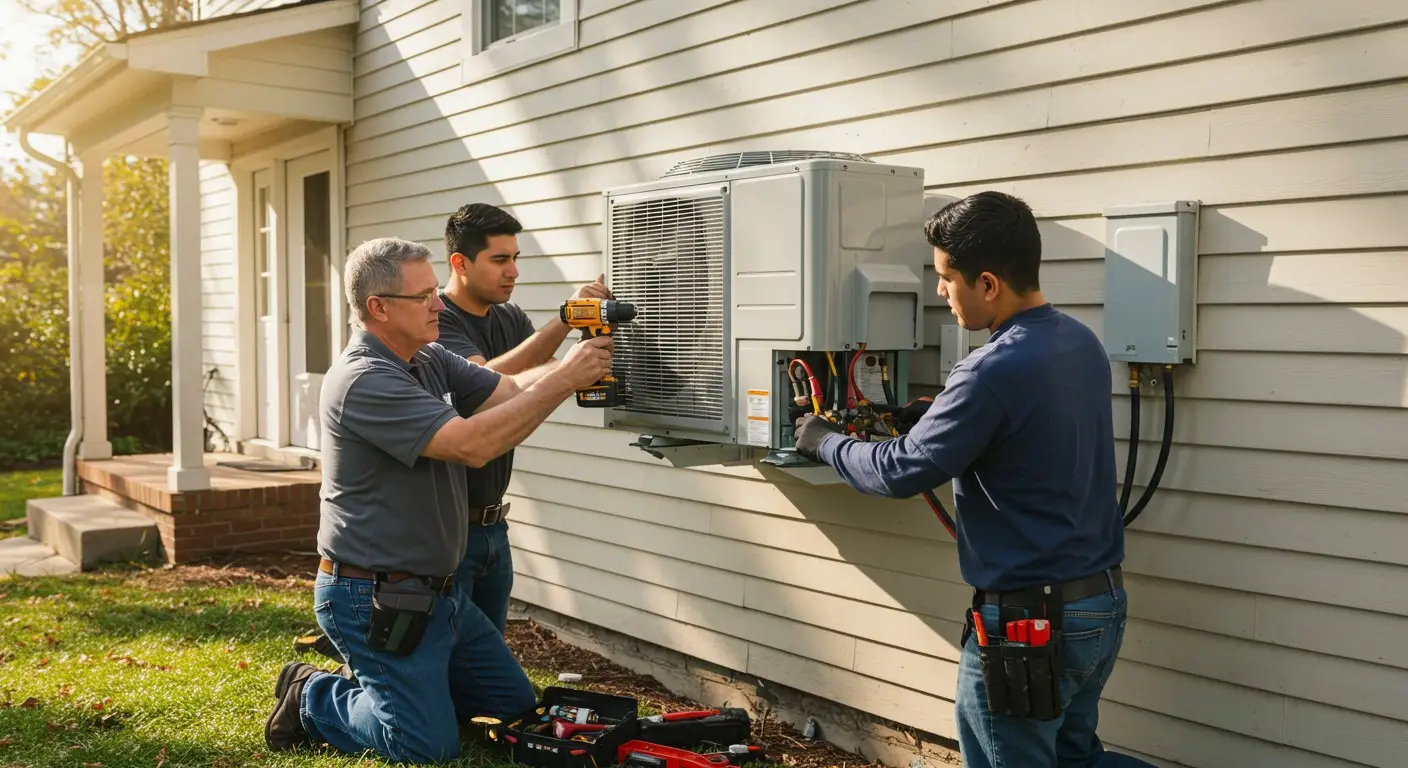
When a professional technician from Valley Air Conditioning & Repair, Inc. arrives at your home for a seasonal tune-up, they perform a comprehensive, multi-point inspection. This is not a simple visual check; it is a highly technical process designed to optimize every facet of your system's performance.
A standard professional tune-up includes:
- Refrigerant Level Verification: Ensuring the system has the exact charge specified by the manufacturer. A system low on refrigerant by just 10% can suffer a 20% drop in efficiency.
- Electrical Connection Inspection: Checking and tightening all electrical terminals, testing capacitors, and examining contactors for signs of pitting or burn damage.
- Coil Cleaning: Deep cleaning both the indoor evaporator coil and the outdoor condenser coil to ensure unrestricted heat transfer.
- Condensate Drain Line Flushing: Clearing out dust, algae, and debris from the drain line to prevent water damage and mold growth inside your home.
- Thermostat Calibration: Verifying that your thermostat is communicating accurately with your heat pump.
For a deeper dive into what a professional service entails, check out our Heat Pump Service Fresno CA Guide.
Best Time of Year to Schedule Your Service
Timing is everything when it comes to scheduling your heat pump maintenance. You want to have your system serviced before you rely on it heavily.
- Spring Maintenance (February to April): This is the ideal window to prepare your system for the upcoming summer. Getting your system serviced during these shoulder months ensures that any worn-out parts are replaced before they are subjected to peak summer temperatures.
- Fall Maintenance (September to November): This transition period is perfect for preparing your system for the heating season. It also gives our technicians a chance to clean away the heavy accumulation of dust and agricultural debris left behind by the hot summer months.
Scheduling your service during these shoulder seasons also means you will enjoy more flexible scheduling options and avoid the long wait times that occur during the peak summer and winter rush. If you need immediate assistance or want to schedule a pre-season check in the Clovis area, refer to our Heat Pump Repair Clovis CA Guide.
DIY Maintenance and Warning Signs for Central Valley Homeowners
While professional maintenance is essential for the technical aspects of your system, there are several simple, highly effective tasks that homeowners can perform to keep their heat pumps running smoothly between professional visits.
To keep your system in top shape:
- Check and Replace Your Air Filters: In our dusty valley environment, standard filters can clog quickly. Check your filter every 30 days and replace it as soon as it appears dirty.
- Maintain Clear Space Around the Outdoor Unit: Keep a minimum of 2 feet of clear space on all sides of your outdoor condenser. Trim back bushes, weeds, and wild grass, and clear away any windblown trash or debris.
- Keep Indoor Vents Open and Unblocked: Ensure that return and supply registers are not blocked by furniture, curtains, or rugs. Restricting airflow forces your system to work harder and can cause the indoor coil to freeze.
For more practical tips on keeping your system running efficiently, explore our list of Heat Pump Maintenance Tips for Desert Homeowners.
Warning Signs Your Heat Pump Needs Immediate Service
Even with regular maintenance, components can occasionally fail. It is vital to recognize the early warning signs of trouble so you can call for service before a minor issue turns into a complete system breakdown.
Be on the lookout for these warning signs:
- Unusual Noises: Squealing, grinding, banging, or loud rattling noises indicate loose parts, failing motor bearings, or compressor issues.
- Weak or Warm Airflow: If the air coming from your vents feels weak or isn't reaching the temperature set on your thermostat, your system is struggling.
- Short-Cycling: If your heat pump constantly turns on and off in rapid succession, it is likely overheating or suffering from an electrical malfunction.
- Ice on the Coils: Finding ice on either the indoor or outdoor coils—even during a hot summer day—is a clear sign of restricted airflow or a refrigerant leak.
If you notice any of these red flags, do not wait for your next scheduled tune-up. Contact a professional immediately. For residents in the Clovis area, our Best Heat Pump Service Clovis CA Guide can help you connect with expert assistance quickly.
Frequently Asked Questions About Central Valley Heat Pump Care
How often should I change my air filters during a Central Valley summer?
During the peak of summer, you should check your air filter every 30 days. If you have pets, live near agricultural fields, or have recently experienced high winds and dust, you may need to replace your filter every 3 to 4 weeks. Standard pleated filters with a MERV rating between 8 and 11 are generally ideal for local homes, providing excellent filtration without restricting vital airflow.
Can skipping one year of maintenance really hurt my system?
Yes, absolutely. Skipping even a single year of maintenance can cause a 5% to 20% drop in overall system efficiency. More importantly, it allows minor issues—like a failing capacitor or a small refrigerant leak—to go undetected. This dramatically increases the risk of a major component failure, such as a burnt-out compressor, which is a major headache and entirely preventable.
What is the average lifespan of a heat pump in our region?
Due to the intense operating hours and extreme heat, the average lifespan of a heat pump in our region is roughly 8 to 12 years. However, with consistent, bi-annual professional maintenance and prompt repairs, you can easily extend that lifespan to 15 years or more. If your system is approaching the end of its life and constantly breaking down, our Heat Pump Replacement Fresno CA Guide can guide you through the process of upgrading to a modern, high-efficiency system.
Conclusion
When it comes to keeping your home comfortable in the extreme Central Valley heat, proactive maintenance is your absolute best defense. By scheduling professional service twice a year, staying on top of monthly filter changes, and addressing minor warning signs immediately, you will enjoy lower monthly utility bills, a longer-lasting comfort system, and true peace of mind.
At Valley Air Conditioning & Repair, Inc., we have spent decades building our reputation on a customer-first philosophy. Since 1970, our family-owned business has grown through word-of-mouth by treating our neighbors with honesty, integrity, and respect. We don't believe in high-pressure sales or unnecessary upsells—just honest, reliable craftsmanship designed to keep your family comfortable all year long.
Don't wait for the next major heatwave to find out if your system is up to the task. Schedule your professional heat pump service today with our friendly, NATE-certified team, and experience the difference that true local expertise can make!
Recent Posts
Customer Testimonials

As a business with many AC units, it is essential to have a responsive AC company. Valley Air Conditioning understands our needs. They are always responsive and our AC is up and running very quickly.
I had them do an AC check on the home I was buying, they were honest and quick. I hired them to do the summer and Fall maintenance for $149. Happy with this company!
100% recommend. I called, same day they came out and gave me estimate. Conley was honest and didn't try to recommend/sell us anything we didn't need. When I called him with questions before making a decision, he happily answered and was not annoyed by me contacting him. Conley and VAR
This is a group of good people. Very professional and knowledgeable. They take the time to listen and find the best solution that fits best for any situation. There's no way you can go wrong in choosing VAR.
We have used Valley Air for over fifteen years. The last two years ,Matt came to our house to service twice a year. Always on time, so polite and so professional. This is a very honest company and you can always depend on them and trust them. The office always treats everyone cheerfully and always want to do what you need done very fast YOU CAN COUNT ON THIS Company
Blogs
Stay updated with our latest blog posts.